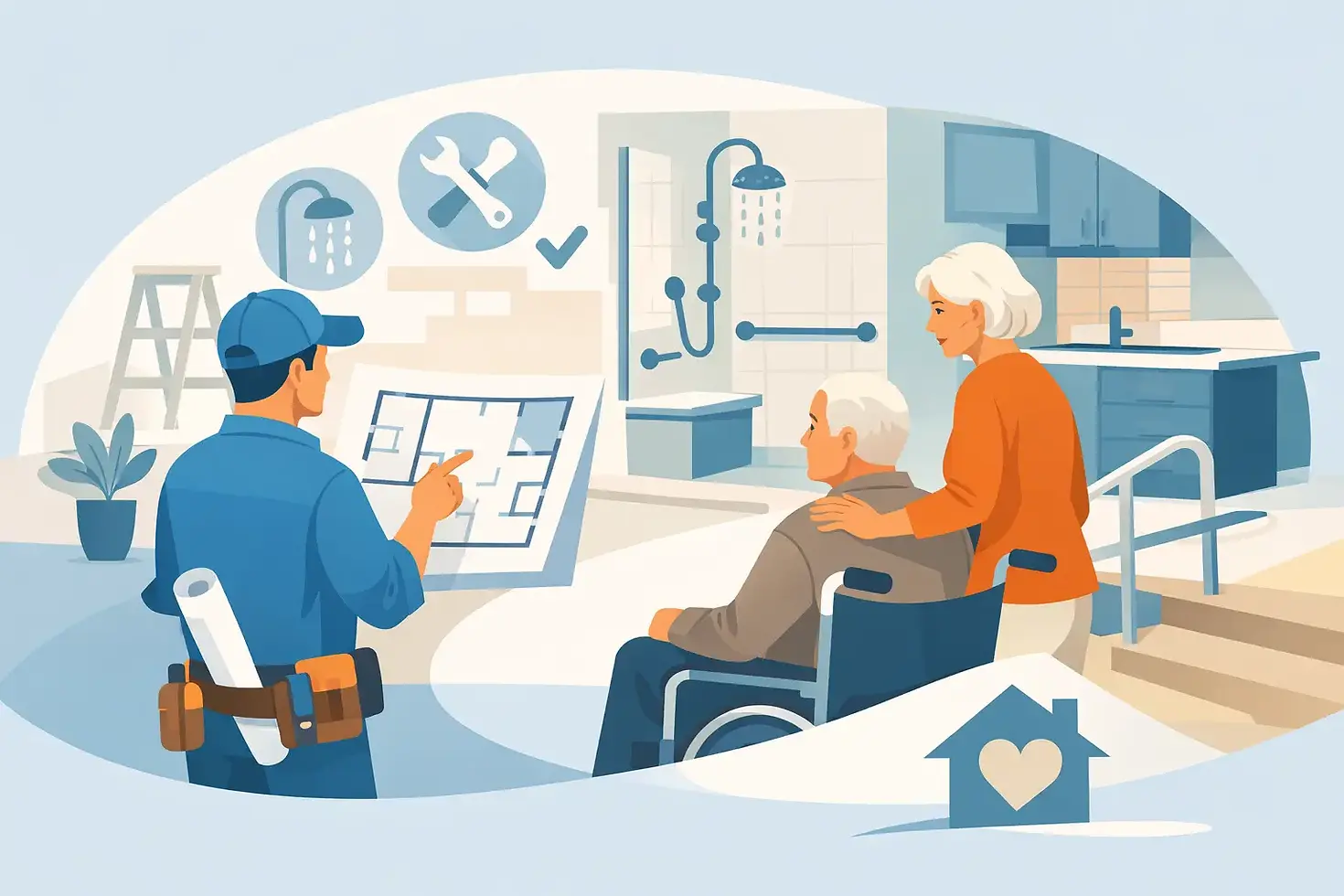
Aging in Place Remodeling That Works
A steep tub wall, a narrow hallway, and dim lighting do not feel like major problems - until one small misstep changes how a home works day to day. That is why aging in place remodeling matters. It is not about making a house look clinical or giving up on style. It is about shaping a home so it continues to support comfort, safety, and independence for years to come.
For many homeowners, the goal is simple: stay in the home you love without letting the home become harder to live in. Sometimes that means planning ahead before mobility changes. Sometimes it starts after a fall, surgery, or a growing concern about stairs, slippery floors, or hard-to-reach storage. Either way, the best remodeling choices focus on daily life, not just resale checklists.
What aging in place remodeling really means
At its core, aging in place remodeling adapts a home for long-term livability. That can include better access, safer movement through the house, easier-to-use fixtures, and smarter layouts that reduce strain. The right plan depends on the person, the home, and how each space is used.
This is where many homeowners get stuck. They assume aging in place upgrades only belong in homes with wheelchairs, hospital-style equipment, or dramatic structural changes. In reality, many of the most effective improvements are subtle. A curbless shower can look clean and modern. Wider walkways can make rooms feel more open. Better lighting can elevate the look of a space while also making it safer.
Good remodeling in this category should feel like an upgrade, not a compromise. The home should still reflect your taste, your routines, and the way you want to live.
Start with the rooms that carry the most risk
Most aging in place plans begin with bathrooms, kitchens, entryways, and stair access. These are the areas where slips, strain, and daily frustration tend to show up first.
Bathrooms often make the biggest difference
Bathrooms are one of the most important places to address because they combine water, hard surfaces, and tight clearances. A remodel here can dramatically improve confidence and comfort.
A walk-in shower is often the first upgrade homeowners ask about, and for good reason. Stepping over a tub wall becomes harder with time, even for people who feel steady today. A low-threshold or curbless shower creates easier access and a cleaner visual line. Add a built-in bench, slip-resistant flooring, and well-placed grab bars, and the space becomes much more supportive without losing its style.
Toilets and vanities matter too. Comfort-height toilets can reduce strain on the knees and hips. A vanity with the right height and better knee clearance may become useful later, even if it is not needed now. Lever-style faucets are another smart choice because they are easier to use than knobs, especially for anyone with arthritis or limited grip strength.
Kitchens should reduce bending, reaching, and clutter
A kitchen that works beautifully at 45 can become frustrating at 75 if everything requires stooping, stretching, or squeezing through tight paths. Aging in place remodeling in the kitchen is less about one dramatic change and more about improving how the room functions.
Storage is a good example. Deep base cabinets may hold plenty, but they are not always easy to use. Pull-out shelves, drawers, and organized pantry storage bring everyday items into reach. Wider walkways can make movement easier and safer, especially when carrying dishes or using a walker in the future.
Appliance placement also deserves attention. A wall oven installed at a more accessible height may be safer than bending to a traditional range oven. Microwave drawers and side-opening ovens can improve convenience. Even small changes, like under-cabinet lighting and easy-grip hardware, can make a kitchen feel more comfortable every day.
Entryways and flooring deserve more attention than they get
Many falls and daily frustrations start at the transition points in a home. A front step, a raised threshold, or uneven flooring may not seem urgent until mobility shifts. Improving access at the entry can make a home feel more welcoming and easier to manage.
That might mean adding a better handrail, adjusting steps, improving exterior lighting, or creating a no-step entrance where possible. Inside, flooring should allow for smooth movement from room to room. Thick rugs, abrupt transitions, and slick surfaces can all create avoidable hazards.
The best flooring choices depend on the household. Some homeowners want softer materials underfoot, while others prioritize durability, traction, and ease of cleaning. It depends on lifestyle, pets, maintenance preferences, and whether future mobility aids are part of the plan.
Design matters just as much as safety
One of the biggest misconceptions about aging in place remodeling is that function and beauty compete with each other. They do not. In fact, the best results come from treating both as non-negotiable.
A thoughtfully remodeled bathroom can feel spa-like while including safety features. A kitchen can feel custom and polished while improving accessibility. Wider doors, better lighting, and easier hardware can support long-term living while making the entire home feel more refined.
That design balance matters because homeowners are not just preparing for the future. They are living in the home right now. Every remodeling choice should improve today as much as tomorrow.
For a company like A&A Painting and Remodeling, that balance is where craftsmanship makes a visible difference. Details like trim work, paint color, fixture selection, and clean installation turn practical upgrades into spaces that feel intentional and complete.
Plan for real life, not worst-case scenarios
Not every homeowner needs the same level of renovation. Some people are planning early and want subtle updates that keep options open. Others need immediate changes after a health event or because caregiving has become part of daily life.
That is why cookie-cutter advice falls short. A two-story colonial in Pennsylvania presents different opportunities than a ranch home. A retired couple has different priorities than a multigenerational family. Some homeowners want to focus on one bathroom now and tackle the kitchen later. Others want a broader strategy that helps them stay on the main level if stairs become difficult.
The right approach comes from asking practical questions. Which rooms are used most? Where does the home feel hardest to navigate? What changes would make daily routines easier right away? What updates support long-term independence without overbuilding for needs that may never arise?
There is always a balance. Spending heavily on every possible accessibility feature may not make sense if the home layout cannot support long-term living well. On the other hand, putting off key safety upgrades can cost more later if an emergency forces rushed decisions. A measured, phased plan often works best.
Smart upgrades that are easy to overlook
Some of the most valuable aging in place improvements are not the most obvious ones. Lighting is a perfect example. As vision changes, shadows and poorly lit walkways become more difficult. Layered lighting in halls, kitchens, bathrooms, and stairways can make a home feel brighter, warmer, and safer all at once.
Door hardware is another simple but meaningful change. Lever handles are easier than round knobs. Rocker-style light switches are easier to operate than small toggles. These details may sound minor, but they improve everyday ease throughout the house.
Then there is storage. Reaching overhead for heavy items or crouching low for essentials adds strain over time. Reworking closets, pantry zones, laundry spaces, and mudrooms can improve convenience in ways homeowners feel immediately.
Even painting can support an aging in place strategy. Better color contrast between walls, trim, floors, and doorways can improve visual clarity. A brighter, cleaner finish can also make spaces feel more open and easier to navigate.
Remodeling now can protect independence later
The strongest reason to remodel with aging in mind is not fear. It is freedom. A home that supports you well allows you to keep your routines, your privacy, and your comfort longer. It gives you more control over how you live.
That does not mean every home needs a full renovation right away. Sometimes one well-planned bathroom remodel is the right first move. Sometimes it is improving lighting, replacing flooring, or rethinking an entry. The important thing is to make choices with intention instead of waiting until the home starts working against you.
A house should adapt to the people living in it. When remodeling is done with care, good design, and an understanding of real daily needs, the result is not just a safer home. It is a more livable one.
If you are thinking about changes, start with the spaces that ask the most from you every day and imagine how they could work better with less effort. That is often where the best home transformations begin.


Comments