
Handyman Services Versus General Contractor
- Richard Mattern
- Jun 3
- 5 min read
A dripping faucet, damaged drywall, and a bathroom that still looks stuck in 1998 do not belong in the same hiring category - even though many homeowners treat them that way. When comparing handyman services versus general contractor, the real question is not who can swing a hammer. It is who is best equipped to deliver the result you want, at the right level of planning, oversight, and finish quality.
That distinction matters because the wrong fit can cost you time, money, and peace of mind. A smaller repair may not need the structure and overhead of a full contractor. On the other hand, a larger renovation can quickly outgrow the scope of a handyman, especially once permits, scheduling, and multiple trades enter the picture.
Handyman services versus general contractor: what is the difference?
A handyman usually handles smaller jobs, routine repairs, punch-list items, and straightforward improvements around the house. Think door adjustments, trim repair, fixture replacement, drywall patching, minor carpentry, painting touch-ups, or installing shelves, vanities, and hardware. These projects are often short in duration and limited in complexity.
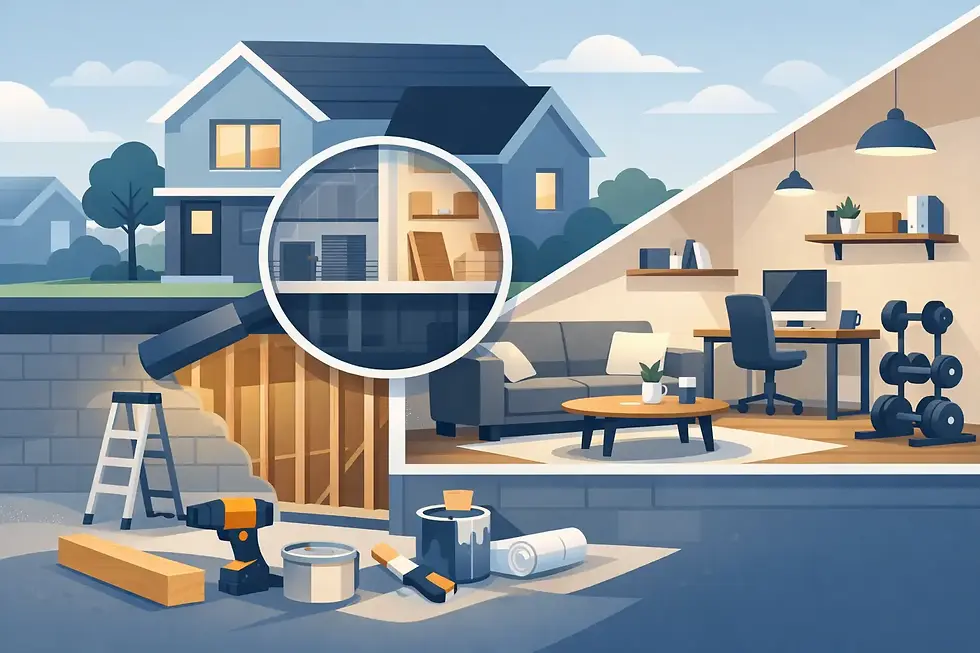
A general contractor typically manages larger projects that involve broader coordination, longer timelines, and multiple phases of work. Kitchen remodels, bathroom renovations, room reconfigurations, basement finishing, and additions often fall into this category. A general contractor may oversee subcontractors, scheduling, materials, inspections, and project flow from demolition through finishing details.
The biggest difference is not simply size. It is responsibility. A handyman usually completes the work directly. A general contractor often manages the full process, especially when electricians, plumbers, tile installers, painters, and other specialists need to work in sequence.
When a handyman is the better choice
For many homeowners, a handyman is the smartest and most efficient option when the work is practical, contained, and does not require major structural changes. If your to-do list has been growing for months, combining several smaller repairs into one service visit can be a very cost-effective move.
This is often the right path when the work is cosmetic or functional rather than transformative. Replacing damaged baseboards, repairing drywall after a leak, refreshing interior paint in a bedroom, fixing loose cabinet hardware, or installing a new light fixture can usually be handled without the full framework of a remodeling contract.
A handyman can also be ideal when you want visible improvement without turning your home upside down. Many homeowners are not looking for a full renovation. They simply want their home to feel more polished, more comfortable, and better maintained. In those cases, a skilled handyman delivers real value.
That said, quality still matters. Small projects are often the ones you see every day. A patched wall that flashes through paint or a poorly installed trim board can stand out just as much as a bigger renovation mistake.
When a general contractor makes more sense
If your project changes layout, involves several trades, or requires permits, a general contractor is often the better choice. A bathroom remodel is a good example. Once you move plumbing, update electrical, install tile, coordinate fixtures, and manage finish work, the job needs more than labor. It needs planning and sequencing.
The same is true for kitchen remodeling. Cabinets, countertops, flooring, lighting, plumbing connections, backsplashes, painting, and inspections all need to happen in the right order. One delay can affect everything that comes next. A general contractor helps prevent the project from becoming a patchwork of separate appointments and conflicting timelines.
A contractor is also valuable when the vision is bigger than basic replacement. If you want to improve the function, style, and long-term value of a space, you need someone who can think beyond the immediate task. That includes budgeting realistically, anticipating hidden issues, and protecting the quality of the finished result.
Budget is part of the decision, but not the whole decision
Many homeowners start with price, and that is understandable. In general, handyman services cost less than hiring a general contractor for the same simple task. There is usually less administrative overhead, fewer moving parts, and a narrower scope of responsibility.
But lower cost only helps when the scope actually fits. Hiring a handyman for work that becomes structurally complex or trade-heavy can lead to costly course correction later. You may end up paying twice - once for partial work, and again to bring in the right level of project management.
On the other side, hiring a general contractor for a very small repair may feel excessive. If all you need is drywall repair, a faucet replacement, and fresh paint in a hallway, you may be paying for a project structure that the job does not require.
The better question is not just, "Who is cheaper?" It is, "Who is the right fit for this result?"
Handyman services versus general contractor for remodeling
This is where homeowners can get stuck. Some remodeling work sits in a gray area. For example, updating a powder room without moving plumbing may be manageable for a multi-skilled handyman or remodeling professional. A full primary bathroom redesign with tile work, lighting upgrades, ventilation changes, and custom finishes usually needs contractor-level coordination.
The same goes for interior improvements in living spaces. Replacing trim, repainting walls, and installing new fixtures leans toward handyman work. Opening up a wall, reworking room flow, or managing several specialty trades leans toward a general contractor.
What matters most is how the project behaves once it starts. If one task depends on another, if mistakes in one phase can affect multiple phases, or if materials and trades must be carefully timed, the project needs stronger oversight.
For homeowners who want both beauty and practicality, it helps to work with a company that understands repairs and remodeling together. That creates a smoother experience when a project starts small but grows into something more customized.
Questions to ask before you hire either one
Before hiring anyone, define what success looks like in your home. Are you solving a maintenance issue, updating finishes, or reimagining a space? The answer shapes the kind of professional you need.
Ask whether the job requires permits, licensed trades, material ordering, demolition, inspections, or design input. If the answer is yes to several of those, a general contractor is usually the better fit. If the work is limited, self-contained, and repair-focused, a handyman may be exactly right.
It also helps to ask how the provider approaches craftsmanship. Home improvement is not only about getting the work done. It is about how the finished space looks, functions, and holds up over time. Clean lines, proper prep, durable materials, and thoughtful installation make a difference whether the project is large or small.
A&A Painting and Remodeling often works with homeowners who want that balance - practical repair capability paired with a more polished, design-conscious result. That combination can be especially valuable when a home needs both everyday fixes and meaningful upgrades.
The best choice depends on the life of your project
A good rule of thumb is simple. If the job is a repair, replacement, or short list of improvements, start by considering handyman services. If the job involves transformation, coordination, or complexity, think general contractor.
Still, every home has its own story. Older homes in particular can blur the line. What begins as a basic repair may reveal water damage, outdated materials, or hidden structural concerns. That is why experience matters. You want a professional who can recognize when the scope is shifting and guide you toward the right next step.
The most successful projects usually begin with honest assessment, not guesswork. When the fit is right, the process feels calmer. The budget makes more sense. The finished space reflects not only the work that was done, but the care that went into choosing the right team.
If you are weighing handyman services versus general contractor, trust the scope of your project more than the label. The right hire should make your home feel easier to maintain, more enjoyable to live in, and closer to the way you want it to look and function every day.


Comments